Learning that supports action
Students should not only memorize information. They should practise, reflect, identify weak areas, and use knowledge to solve real problems in school, home, and community life.

Caribbean Learning in Action
Caribbeanexam.com independently supports selected Sustainable Development Goals through accessible digital learning, inclusive exam preparation, responsible study habits, and student action projects.
Sustainable Development Goals in Action
Education can encourage peace, human dignity, respect for diversity, international cooperation, environmental responsibility, and active student participation. These principles help students connect classroom learning with practical action in their communities.
Caribbeanexam.com is an independent educational platform and is not affiliated with or endorsed by the United Nations, CXC, or any Ministry of Education. The purpose of this page is to help students become better prepared, more confident, more responsible, and more aware of how learning can serve their communities.
Students should not only memorize information. They should practise, reflect, identify weak areas, and use knowledge to solve real problems in school, home, and community life.
Digital tools can reduce barriers by giving students access to practice questions, flashcards, explanations, and topic support even when extra lessons or printed resources are limited.
Online revision can reduce paper-heavy practice while still helping students track progress, revisit topics, and use technology in a purposeful, disciplined way.
The SDG projects encourage students to connect subjects like Science, Geography, Social Studies, and Information Technology to practical work such as recycling, energy saving, water conservation, and climate awareness.
Education First
CaribbeanExam.com does not seek to address every Sustainable Development Goal. As an education platform, our greatest contribution is to SDG 4: Quality Education.
Across the Caribbean, many students face barriers to educational support beyond the classroom. While schools provide the foundation for learning, additional resources such as private lessons, exam preparation classes, revision materials, and one-on-one tutoring are often beyond the financial reach of many families. As a result, academic success can become influenced not only by a student's ability and determination, but also by their family's financial circumstances.
CaribbeanExam.com was created to help reduce that gap. By providing free or affordable access to high-quality CSEC and CAPE exam preparation, practice papers, AI-assisted learning tools, instant feedback, and self-paced revision, the platform enables students to continue learning regardless of their financial situation. Whether a student attends a large urban school or a small rural secondary school, they have access to the same digital learning resources, available anytime and anywhere.
We also work closely with schools and teachers, providing tools that complement classroom instruction rather than replace it. Our goal is to ensure that every student has an equal opportunity to prepare for examinations, build confidence, and achieve their academic potential, regardless of income or geographic location.
By reducing financial barriers to exam preparation and expanding access to quality educational resources, CaribbeanExam.com directly supports SDG 4: Quality Education, helping to create a more equitable learning environment across the Caribbean.
Our Current Impact
Caribbeanexam.com supports learning through exam-style practice, flashcards, study search, feedback, explanations, and topic review tools that help students revise with structure.
The platform is designed for all learners. Every student can access the same study tools, regardless of gender, school, or background.
Caribbeanexam.com uses digital technology to support education through online practice, AI-assisted study search, data-informed results, and mobile-friendly access.
By keeping core practice tools free for students, Caribbeanexam.com helps make exam preparation more accessible across communities, devices, and schools.
Digital revision can reduce dependence on printed worksheets and paper-heavy practice while still allowing students to save results and review progress responsibly.
Caribbeanexam.com supports digital-first learning and will include student environmental projects that connect study habits with practical action for schools and communities.
Caribbeanexam.com aims to work with schools, educators, NGOs, and learning communities to improve student grades, study confidence, and access to digital support.
Student Work Section
These activities are designed to help students connect learning to real action. Schools can adapt them for clubs, class assignments, assemblies, house competitions, or community outreach.
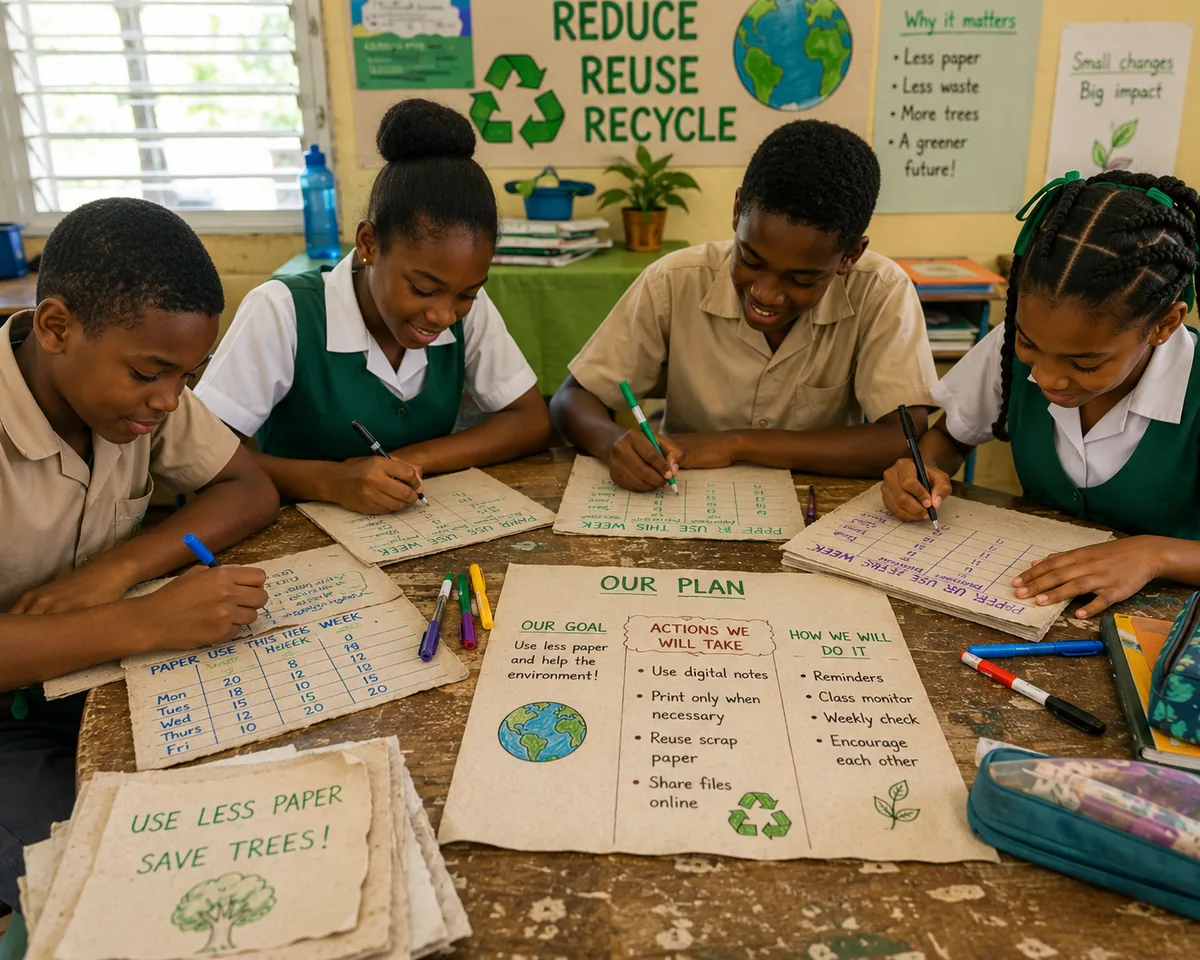
Track how much paper a class uses in one week, then create a plan to reduce unnecessary printing.
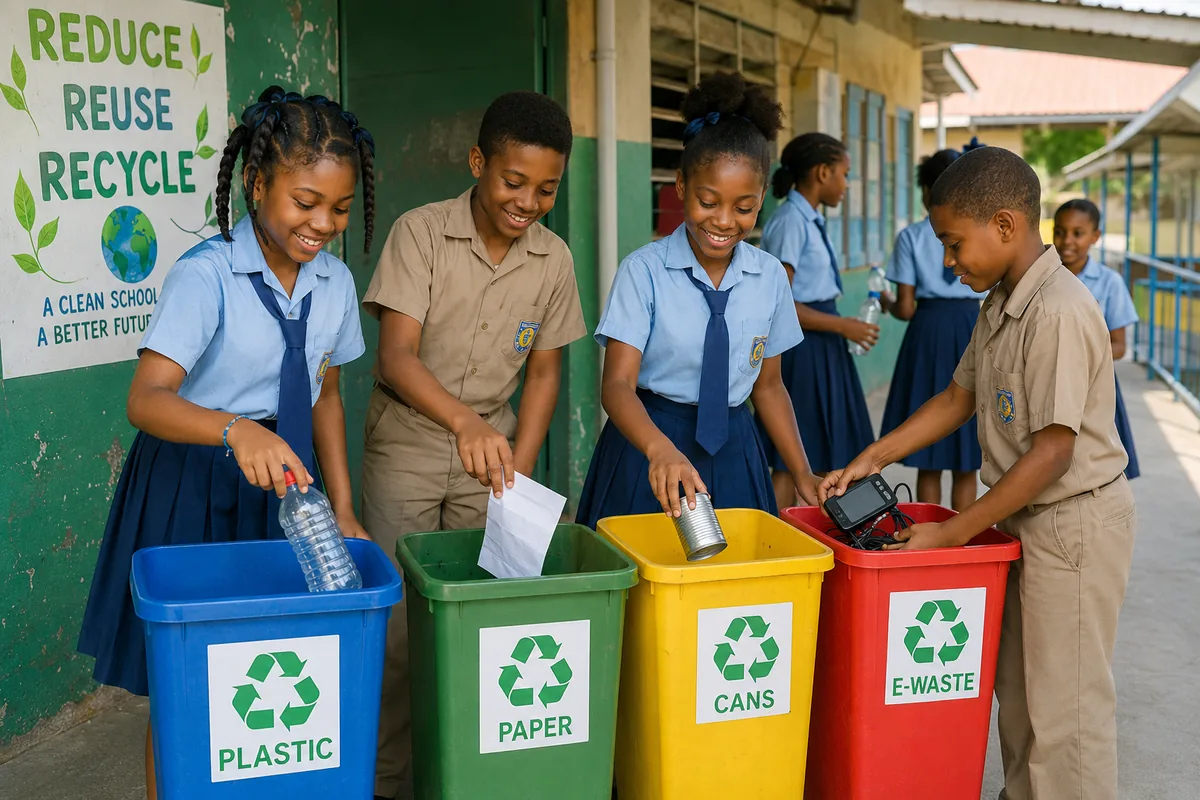
Create collection points for paper, plastic bottles, cans, or e-waste and measure participation.
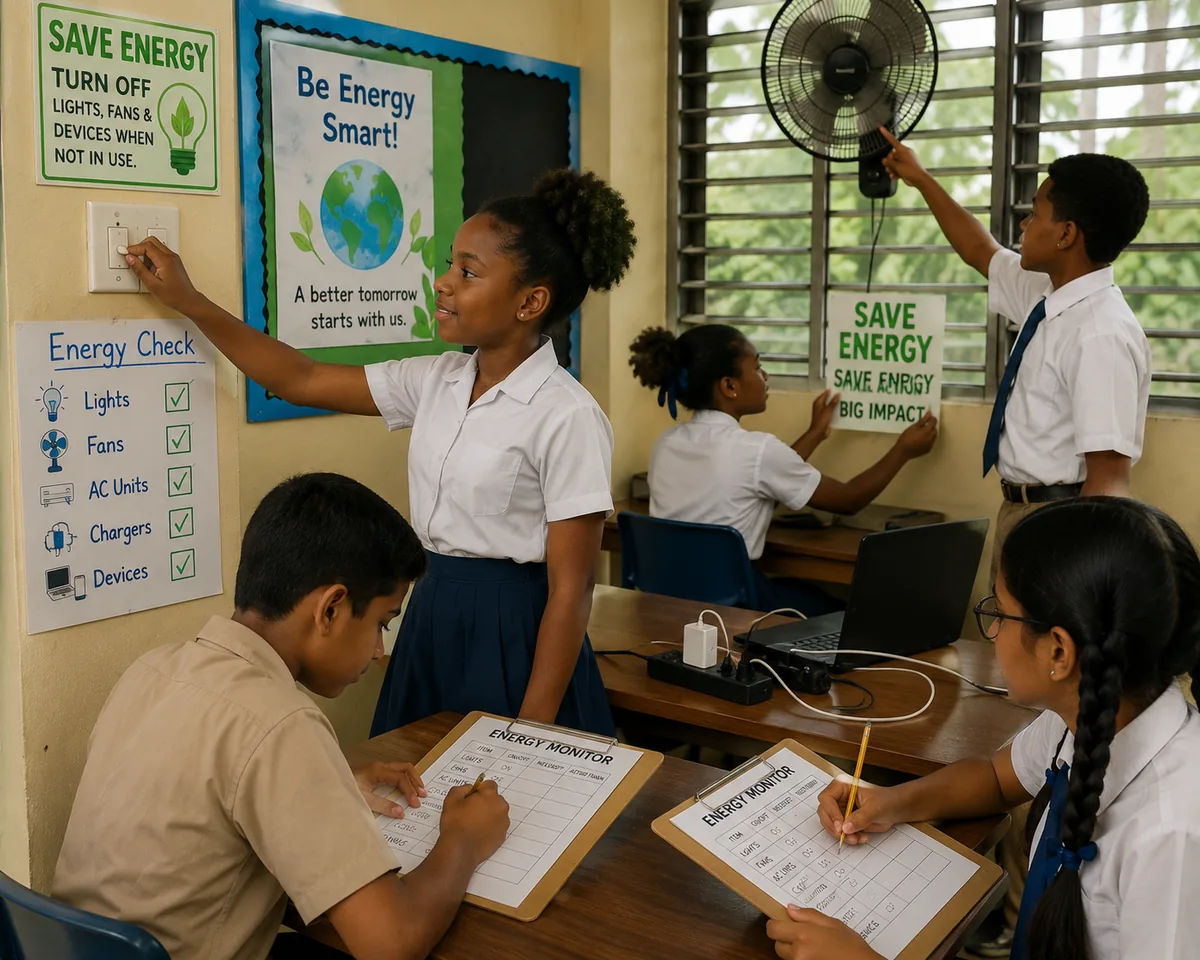
Monitor lights, fans, AC units, chargers, and devices left on when they are not needed.
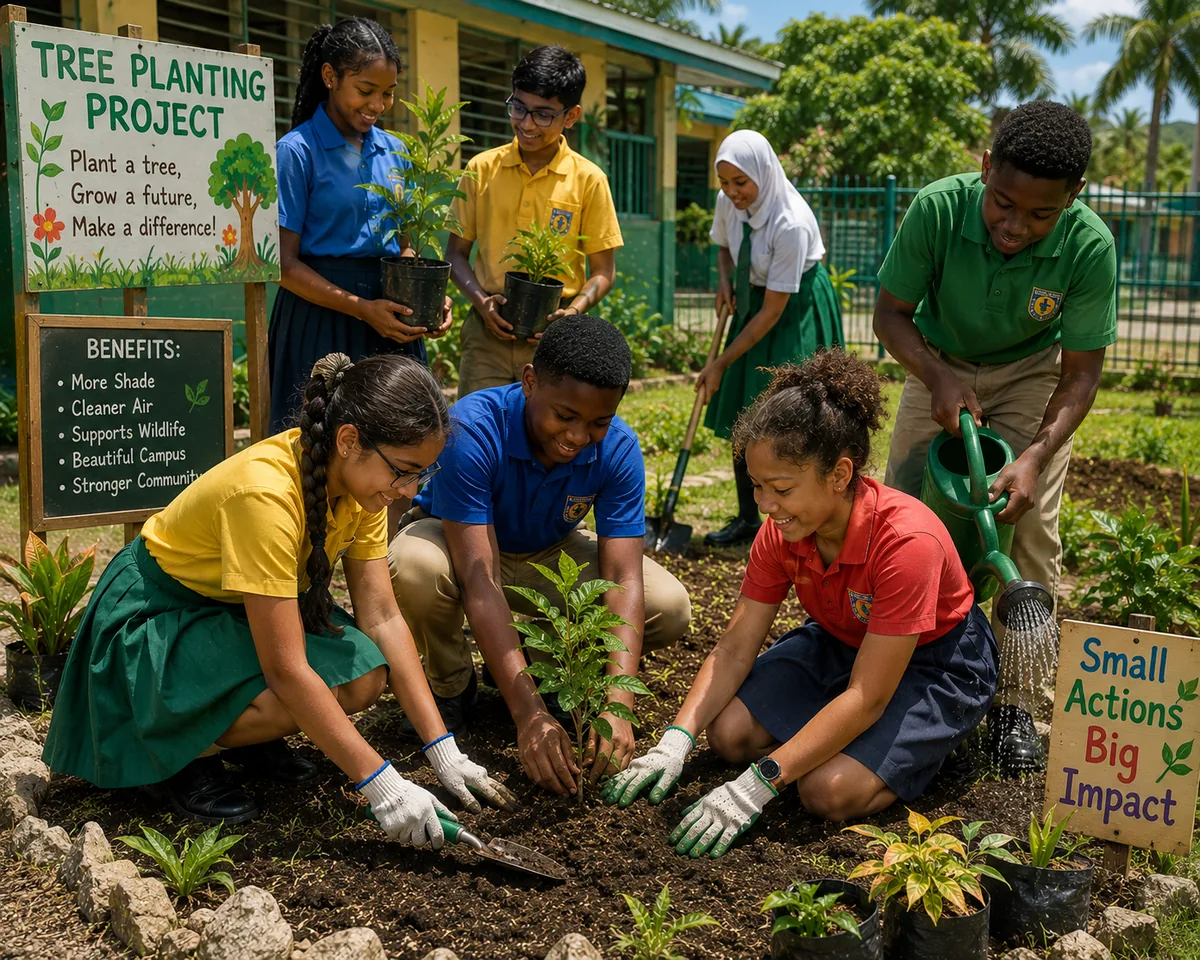
Plan a small planting project to support shade, biodiversity, food awareness, or campus beautification.
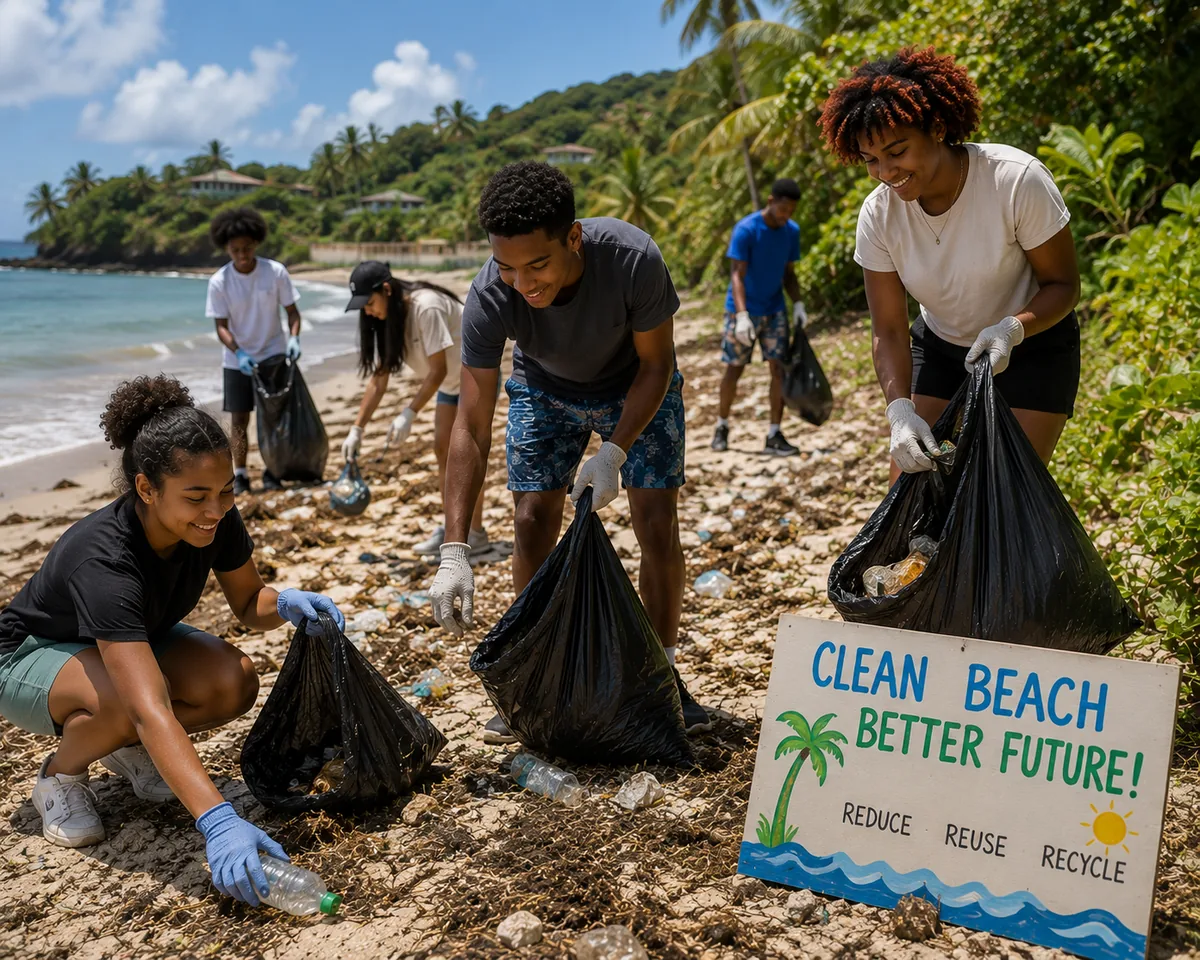
Organize a safe clean-up for a classroom, schoolyard, roadside, beach, river, or community space.
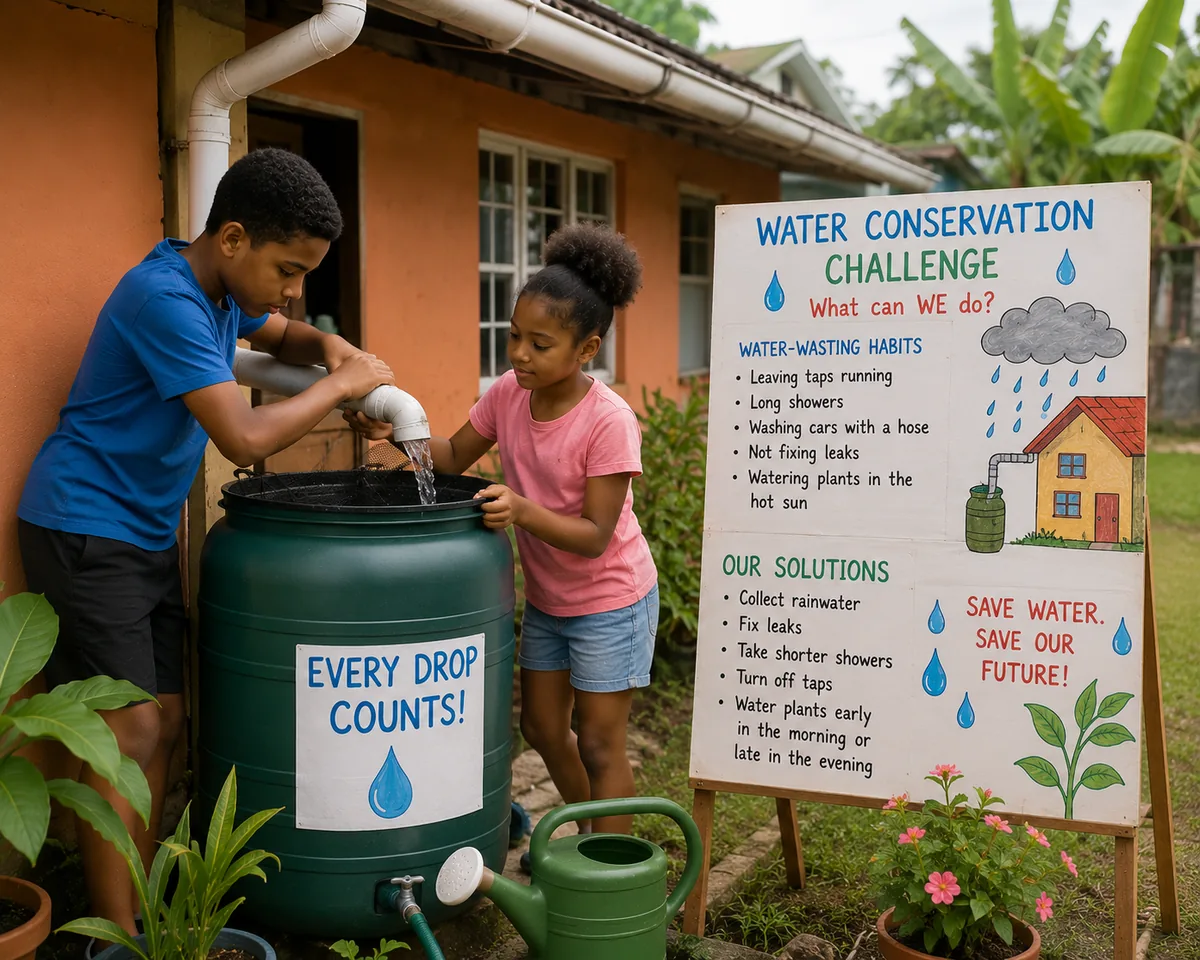
Identify ways water is wasted at school or home, then propose simple changes.
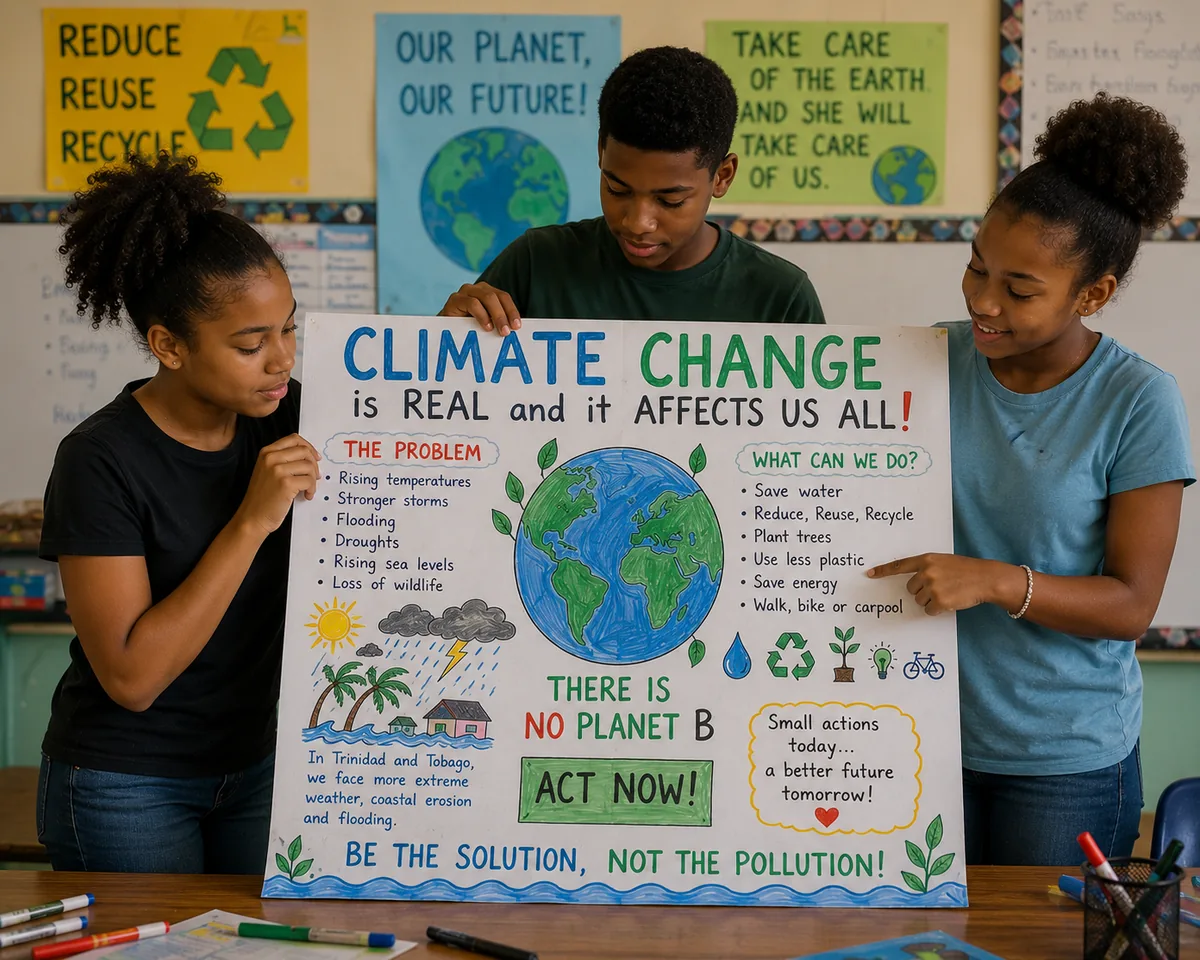
Create posters, short videos, or presentations explaining a local climate or environmental issue.
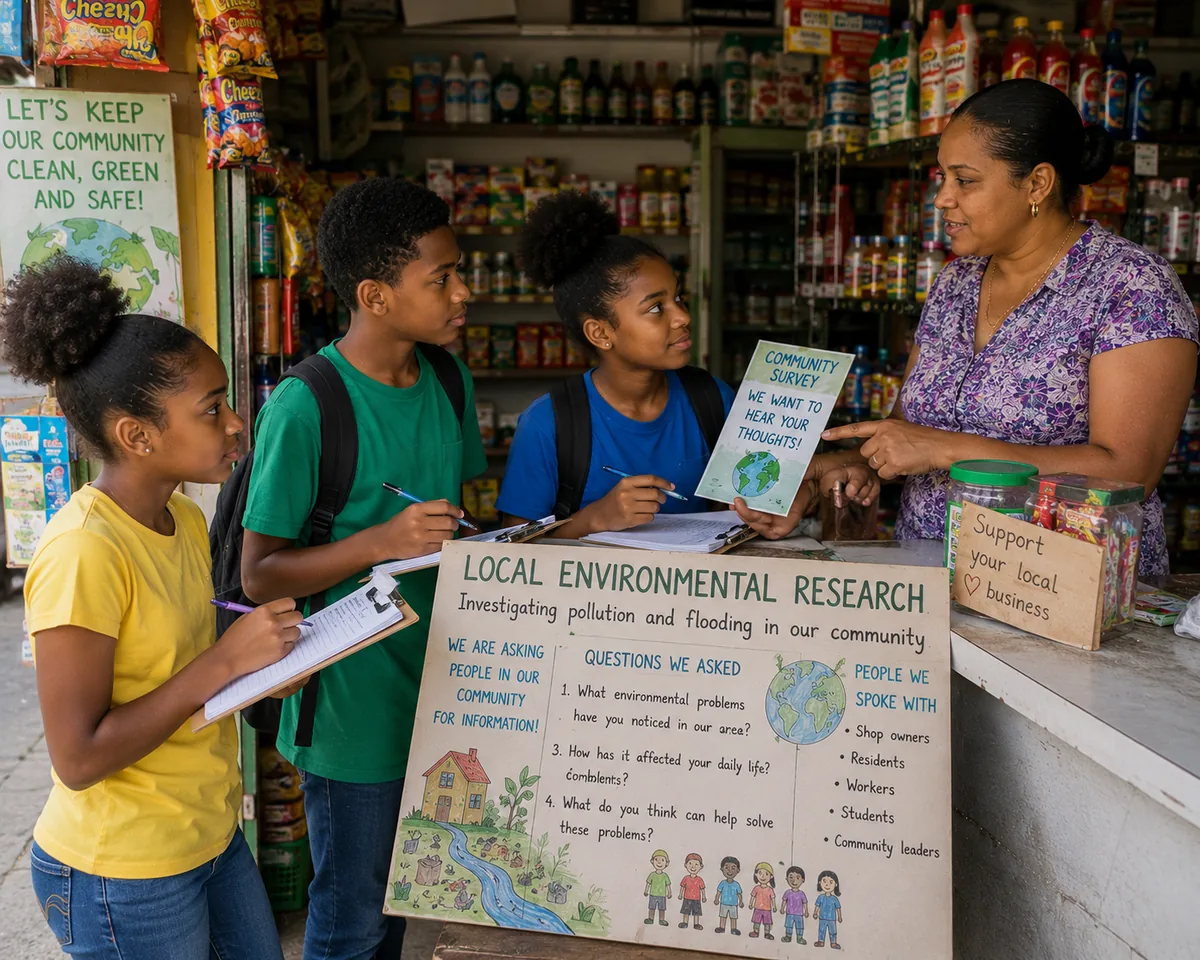
Investigate flooding, heat, erosion, pollution, waste disposal, or habitat loss in a nearby community.
For Schools and Educators
Schools can use Caribbeanexam.com as a revision partner: students practise, receive feedback, identify weak topics, and complete SDG-aligned projects that build responsibility beyond exam preparation.

For Teachers, Guidance Staff and School Leaders
Practical guidance to help educators and schools introduce the Sustainable Development Goals, connect them to Caribbean realities, guide student action, and create safe, inclusive learning environments.
SDG Educator and Schools Resource Centre
This resource can support classroom teachers, form teachers, guidance staff, school leaders, clubs and supervised student groups. Adapt every activity to student age, school policy and local child-protection requirements.
The Educator’s Role in Sustainable Development
Education for Sustainable Development helps learners understand interconnected challenges, consider different perspectives, make informed decisions and participate responsibly in improving their schools and communities.
A Whole-School Approach
Connect SDG knowledge, skills and values across subjects instead of treating sustainability as a Science-only topic.
Give teachers time, resources and peer support to use action-oriented and inclusive teaching methods confidently.
Let students examine real school practices involving waste, water, energy, inclusion, wellbeing and participation.
Work with families, local experts and community groups so student learning connects to shared responsibility.
Teaching the Sustainable Development Goals
Introduce the SDGs as a practical framework for understanding how education, safety, equality, the environment and community responsibility are connected.
 SDG 4Quality Education
Inclusive learning, stronger outcomes and safe, effective learning environments.
SDG 5Gender EqualityChallenge gender stereotypes, sexual harassment and gender-based bullying.
SDG 10Reduced InequalitiesPromote belonging and oppose exclusion based on identity, disability or background.
 SDG 16Peace and Strong Institutions
Build peaceful classrooms, fair rules, trusted reporting and accountable responses.
SDG 17PartnershipsEngage students, families, educators and community partners in shared action.
5 minIntroduce one SDG and define its main purpose.
10 minDiscuss a Caribbean example students recognize.
10 minTeams identify causes, effects and people affected.
15 minTeams design one achievable school or community action.
5 minStudents share one commitment and one question.
Who is most affected by this issue, and why?
What evidence would show that the situation is improving?
Which solution can students influence safely and realistically?
How could the project include students who are often left out?
Which other SDGs connect to this problem?
Who should the school partner with to continue the work?
Bullying, Cyberbullying and Safe Learning
Bullying can affect attendance, concentration, relationships, confidence and academic performance. Prevention therefore belongs within quality education, student wellbeing, digital citizenship and the school’s responsibility to provide a safe learning environment.
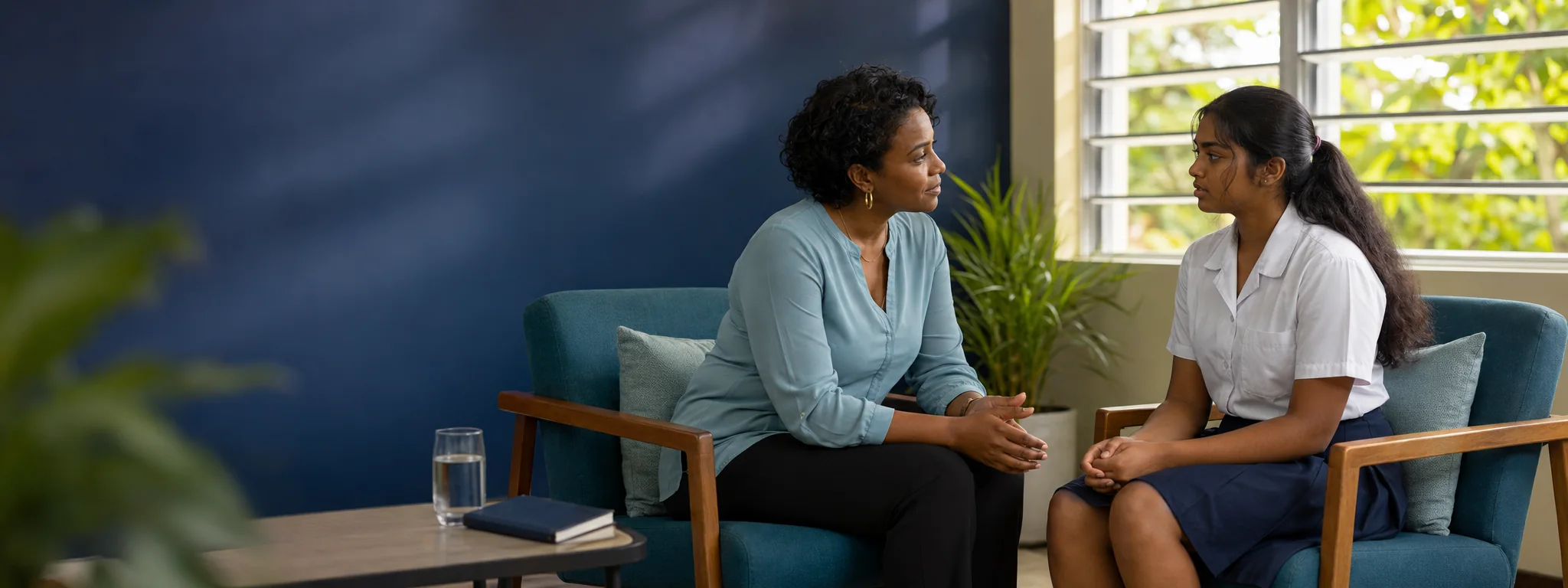
Bullying is unwanted aggressive behaviour involving a real or perceived power imbalance. It is repeated, or has the potential to be repeated. Power may come from physical strength, popularity, group influence, access to embarrassing information, social status or control of a digital audience.
Important: A one-time conflict may not meet this definition, but harmful behaviour still requires an appropriate response. Educators should focus on safety, impact, context and school policy—not only the label.
Recognize Possible Warning Signs
No single sign proves bullying. Speak privately with the student and follow the school’s support procedures.
Respond Safely and Consistently
Classroom Exercises
Use fictional scenarios, private reflection and clear opt-out choices. Do not require students to perform humiliating bullying scenes or identify classmates.
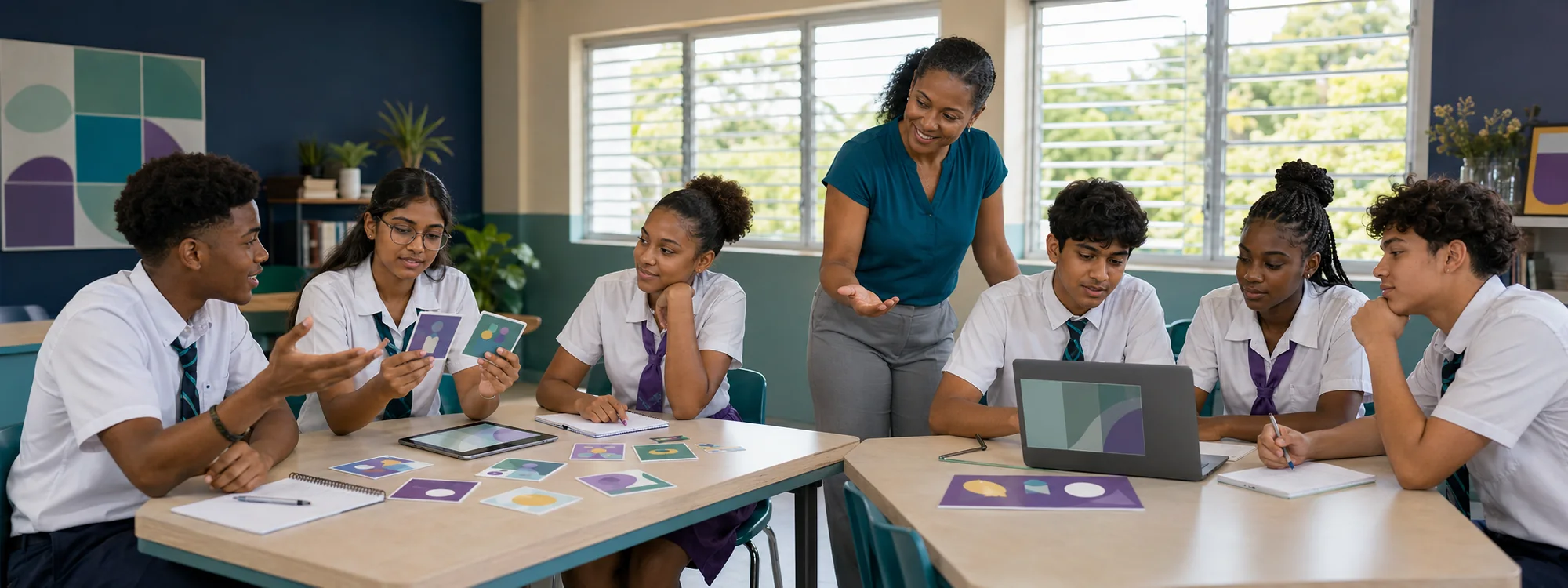
Give groups fictional scenarios and ask them to identify:
Students practise selecting a safe response when they witness harm:
Whole-School Action Plan
Bullying prevention is strongest when expectations, reporting, support, supervision, family engagement and follow-up work together.
Use anonymous climate questions, incident patterns and staff observations to identify locations, times, online spaces and groups needing attention.
Confirm definitions, reporting routes, safeguarding roles, documentation standards, response timelines and confidential information handling.
Provide age-appropriate lessons on respect, empathy, consent, inclusion, digital citizenship, upstander action and help-seeking.
Apply procedures promptly and consistently while supporting the student harmed, addressing harmful behaviour and protecting against retaliation.
Engage families, student leaders, counsellors, school boards and community services without exposing confidential student information.
Monitor school climate, repeat incidents, student confidence in reporting and whether interventions are producing safer learning conditions.
Reporting, Documentation and Safeguarding
If a student is in immediate danger, has a serious injury, reports sexual violence or abuse, threatens self-harm, or may harm another person, follow the school’s emergency and child-protection procedures immediately and contact the appropriate local emergency or safeguarding service. Do not leave the student alone when immediate safety is at risk.
Separate fact from interpretation. Store records securely and follow the school’s privacy and retention requirements.
Use this guide as educational support. It does not replace a school’s anti-bullying policy, child-protection procedures, professional mental-health assessment, local law or instructions from the responsible safeguarding authority.
Caribbeanexam.com independently supports selected Sustainable Development Goals and is not affiliated with or endorsed by the United Nations, CXC, or any Ministry of Education.
The content of this publication has not been approved by the United Nations and does not reflect the views of the United Nations or its officials or Member States.