← Back to Student Projects

Student Activity

Clean-Up Campaign

Organize a safe cleanup for a classroom, schoolyard, beach, river, roadside, or approved community space, then study what caused the waste problem.

1 day plus follow-up Class, club, school house, or community group
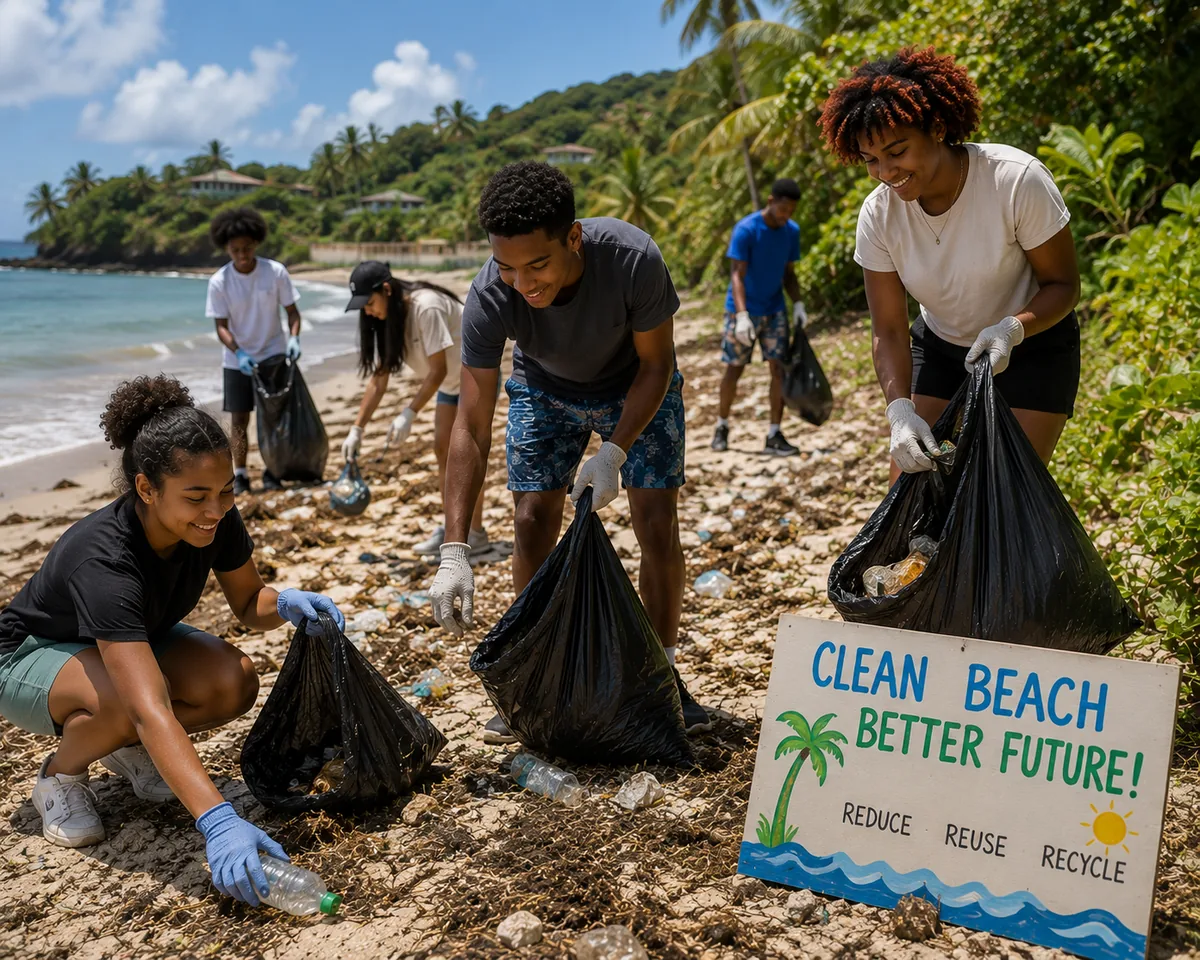
Students collecting litter during a beach clean-up campaign

SDGs Used

Why this activity supports the Sustainable Development Goals.

Students should understand that the project is not just a task to complete. It connects learning to a real goal, a real school habit, and a real community improvement.

SDG 12

Responsible Consumption and Production

Students identify waste types and learn how consumption choices create local waste problems.

SDG 13

Climate Action

Students protect local environments and connect waste management to climate and community resilience.

Activity Guide

Step-by-step instructions for students.

Use this as a class project, club activity, homework investigation, or school action challenge. Teachers can shorten or expand it based on age group and available time.

What students will need

  • Gloves
  • Bags
  • Waste sorting sheet
  • Water
  • First-aid access
  • Adult supervision

What to do

  1. Choose a safe and approved cleanup location.
  2. Get permission and assign adult supervisors.
  3. Prepare gloves, bags, water, first-aid access, and a plan for sorting waste.
  4. Collect only safe items and leave dangerous items for adults.
  5. Sort waste into categories where possible, such as plastic, paper, cans, glass, and general waste.
  6. Record the most common waste types and possible sources.
  7. Create a prevention plan so the same area does not become dirty again.

What to record

  • Location
  • Waste types
  • Number of bags
  • Unsafe items avoided
  • Most common litter sources
  • Prevention ideas

Reflection questions

  • What caused the waste problem?
  • What would prevent it from returning?
  • Who needs to help keep the area clean?

Final student output

A cleanup report, waste chart, before-and-after photos, and a prevention recommendation.

Teacher / safety note

Do not collect glass, needles, chemicals, dead animals, or unknown liquids. Mark unsafe items and tell an adult.

Ready for class

Students can complete this as evidence of action-based learning.

Encourage students to present their findings clearly, explain the SDGs involved, and show what changed because of their work.

View all projects
Important note: Caribbeanexam.com independently supports selected Sustainable Development Goals. This activity does not claim United Nations, CXC, or Ministry endorsement.